1 / 3
Clico
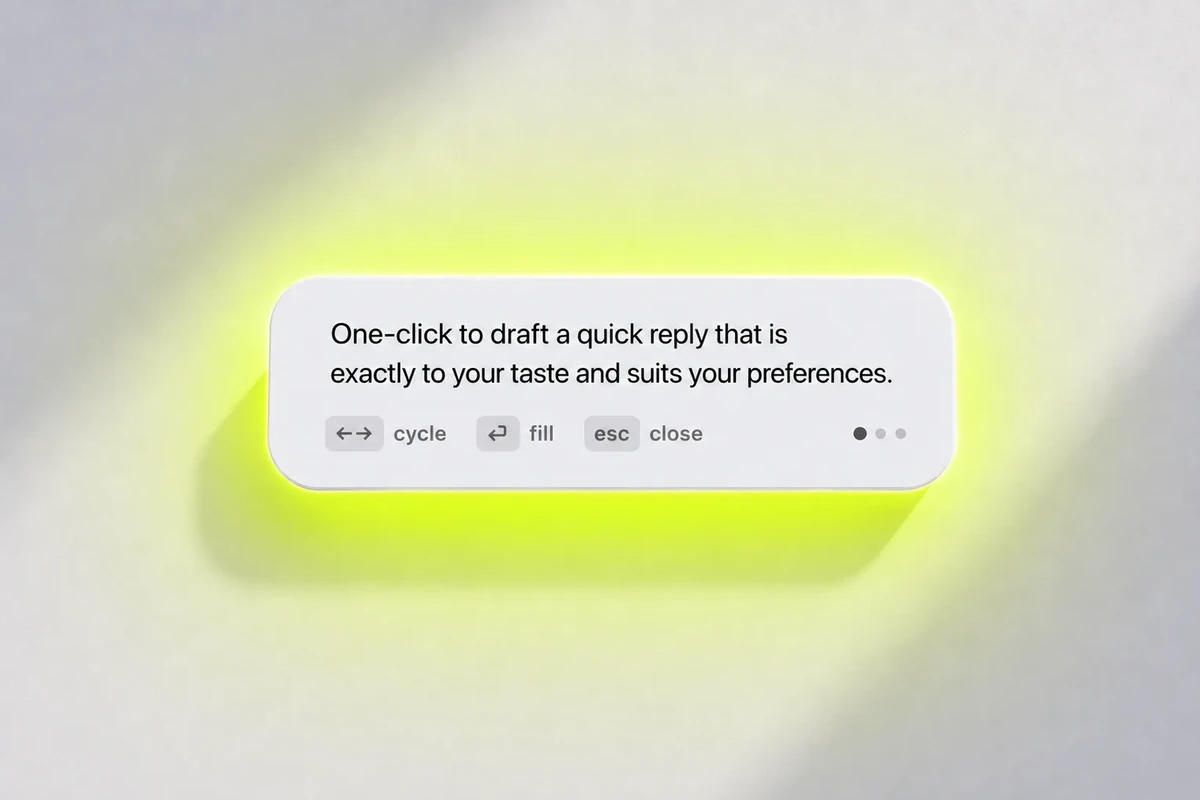
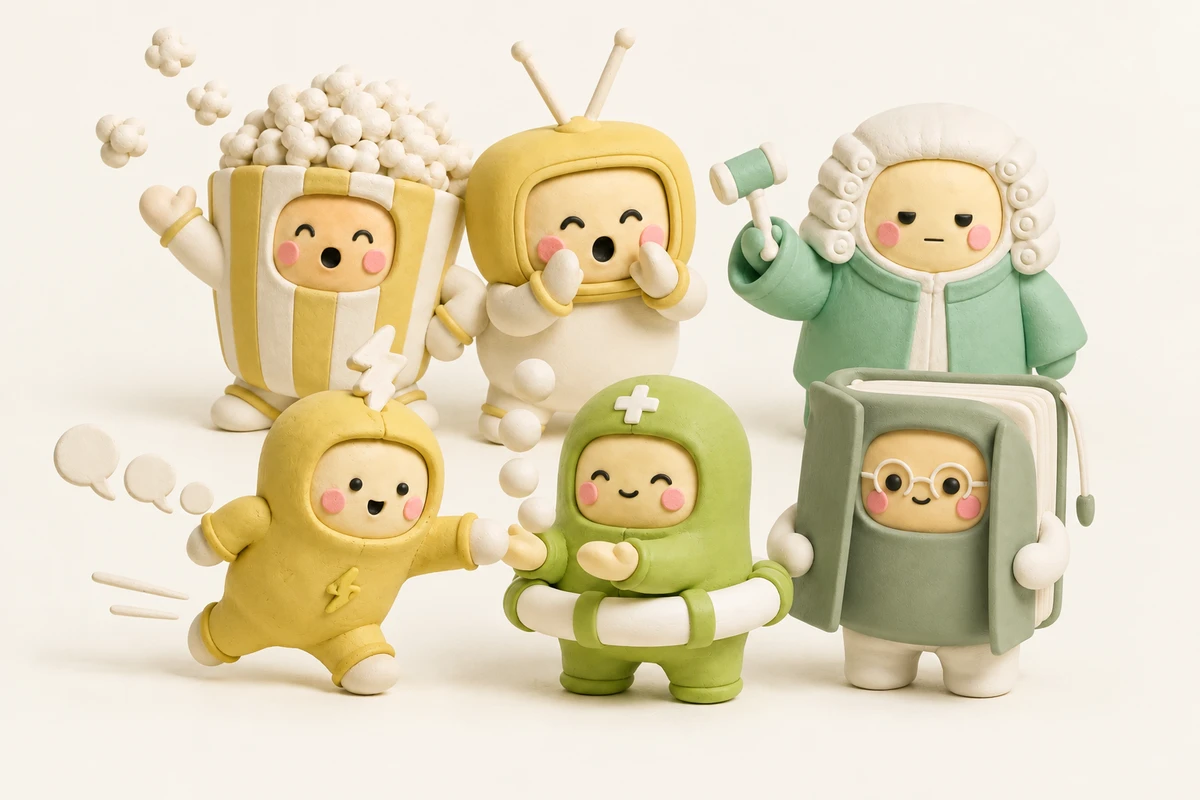
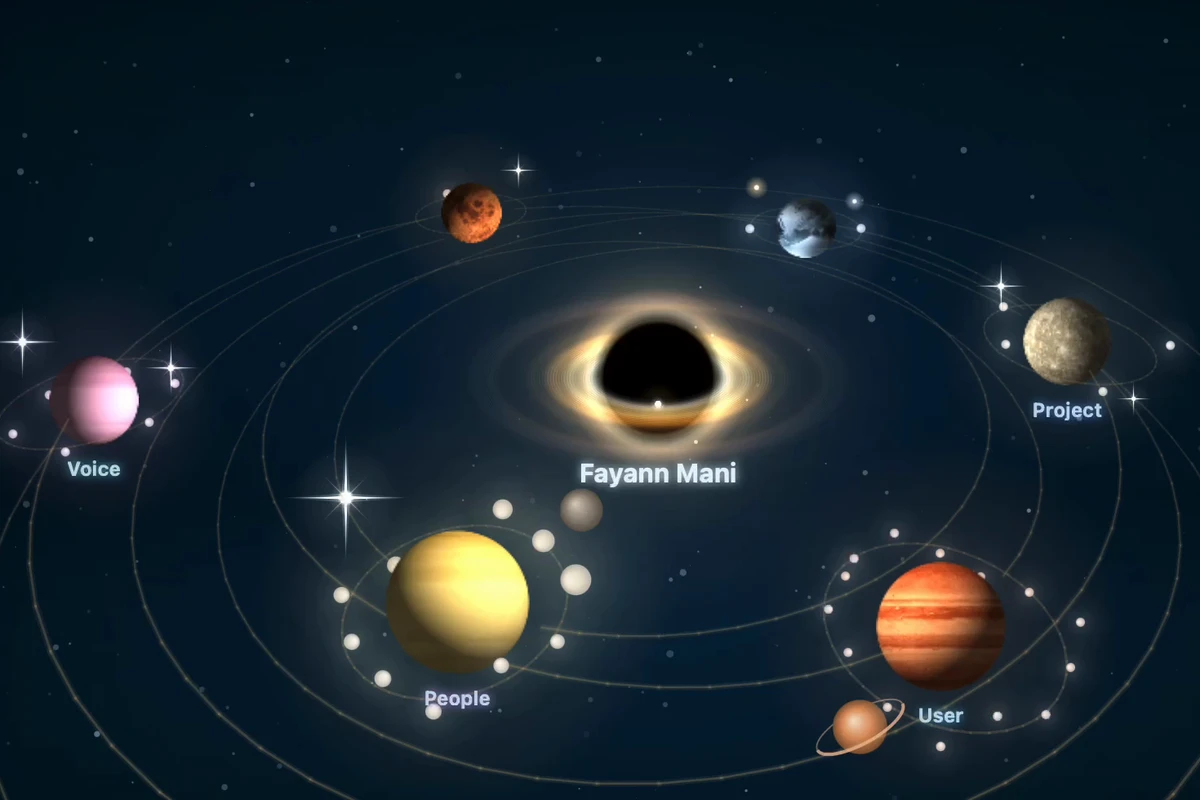
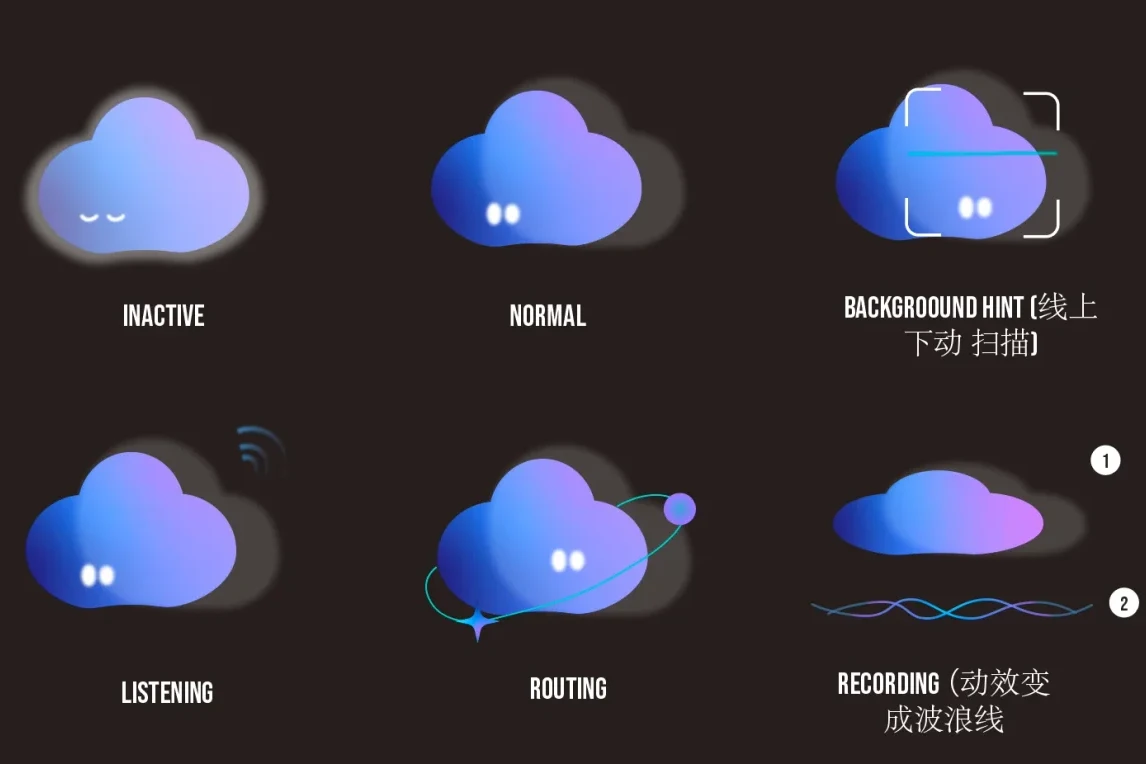
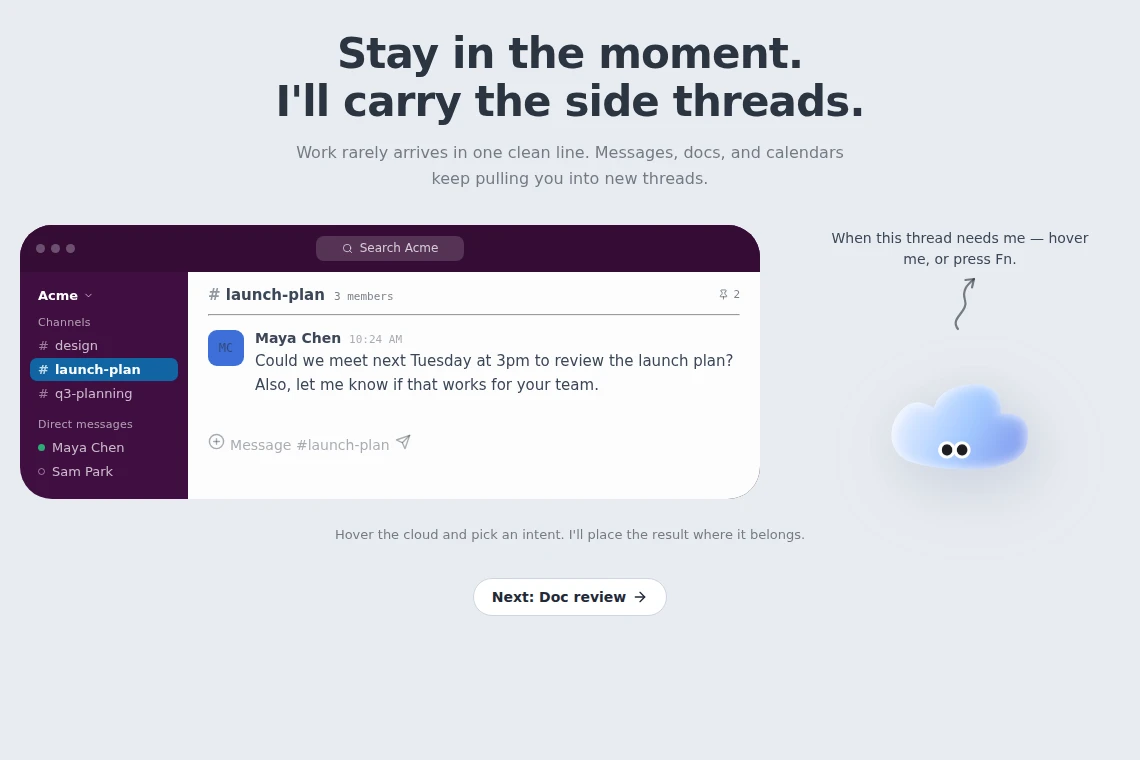
Defined the interaction model and character system for a new kind of desktop AI product, then used AI to help bring it into production.
Role: Product, Interaction, Brand / Character, Frontend
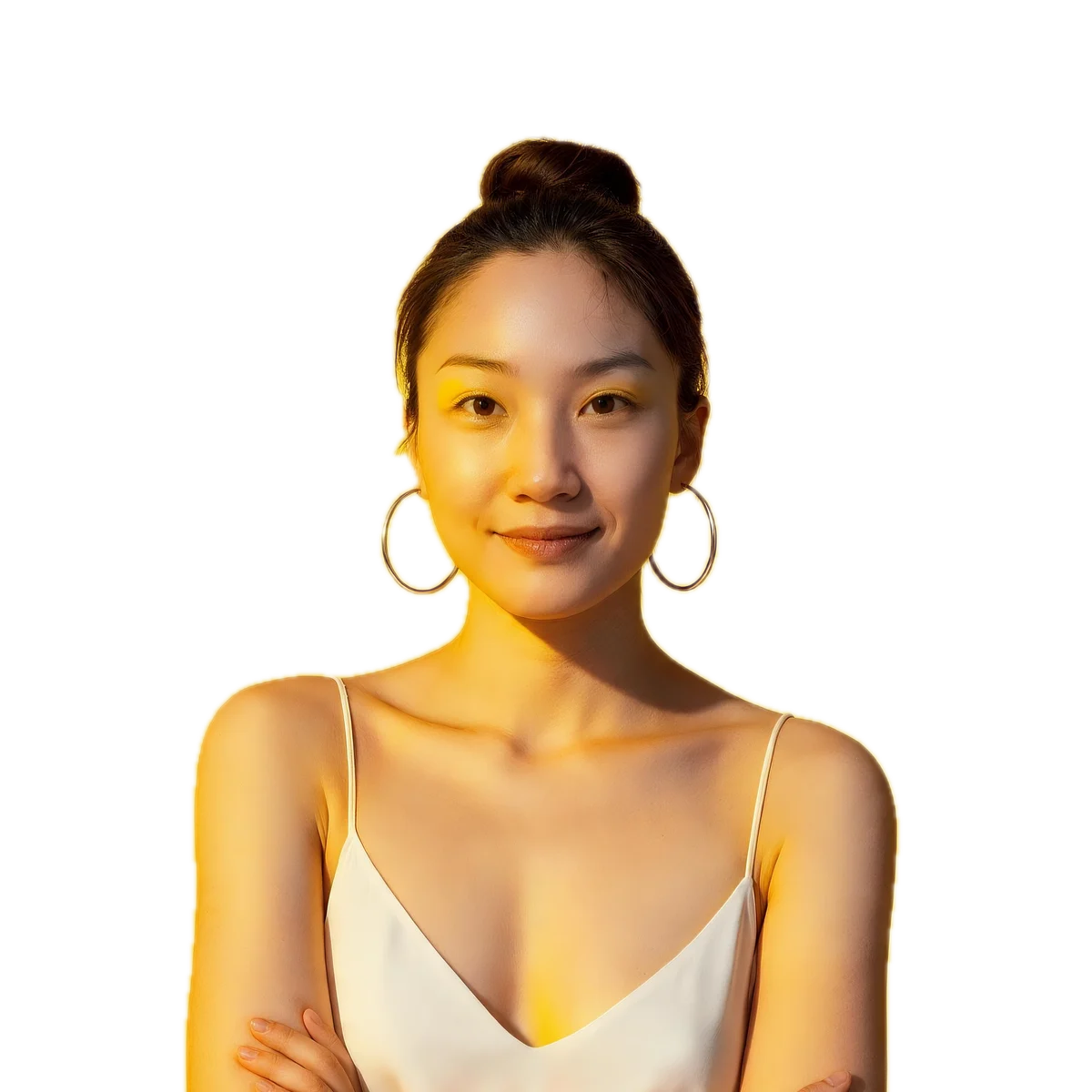
I bring product judgment, visual craft, interaction design, and production code into one practice.
Six years, three chapters. After graduating from Guangzhou Academy of Fine Arts, I joined ByteDance's Feishu design team to build experiences for AI products. Two and a half years later, I moved to Kuaishou, where I designed B2B tools for a distribution business from its first release through growth. In summer 2025, I joined an AI startup of fewer than 15 people as its only designer. My work began extending beyond design files: three products, two rebrands, and production code I merged myself.
I believe the most valuable practitioners in the AI era can bring product judgment, taste, design craft, and engineering together. Below are the three products I worked on over the past year.
Product design and frontend implementation across Clico, OKEight, and Karis, taking my own designs into production.
Three products, one year: defining, redesigning, and evolving.
Defined the interaction model and character system for a new kind of desktop AI product, then used AI to help bring it into production.
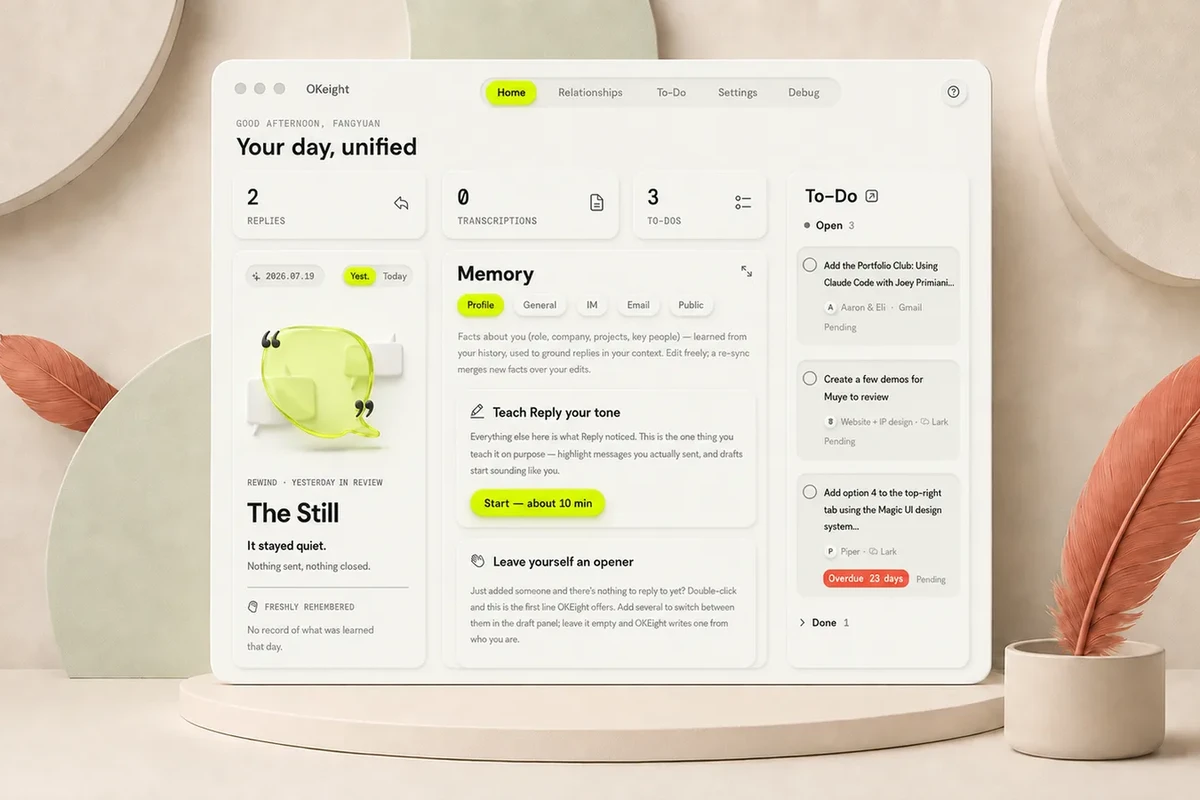
Joined a live product and rebuilt its visual language and core components in six weeks, with everything shipped to production.
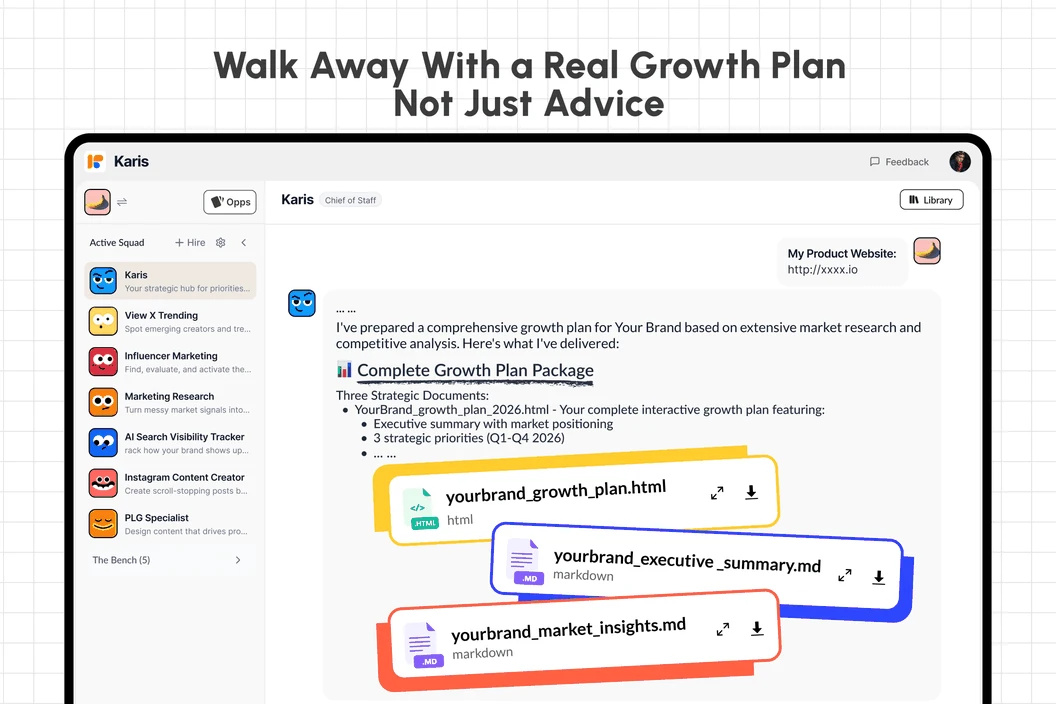
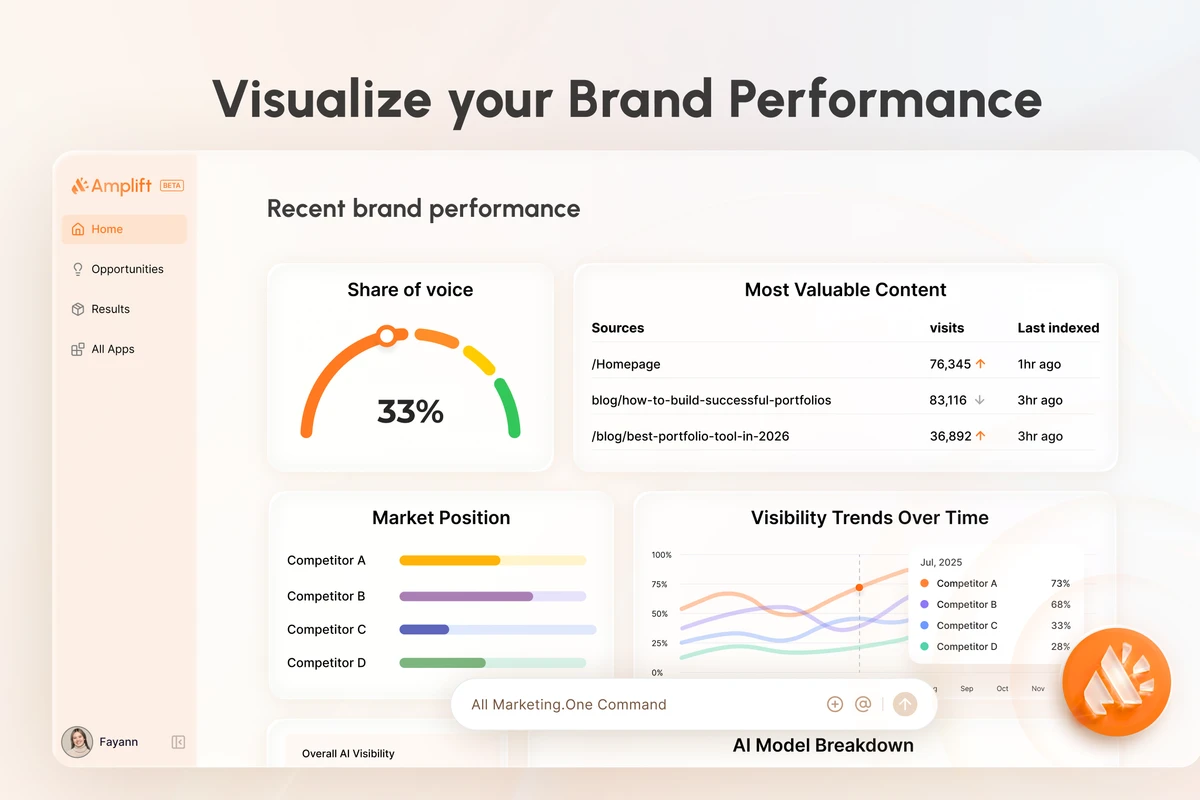
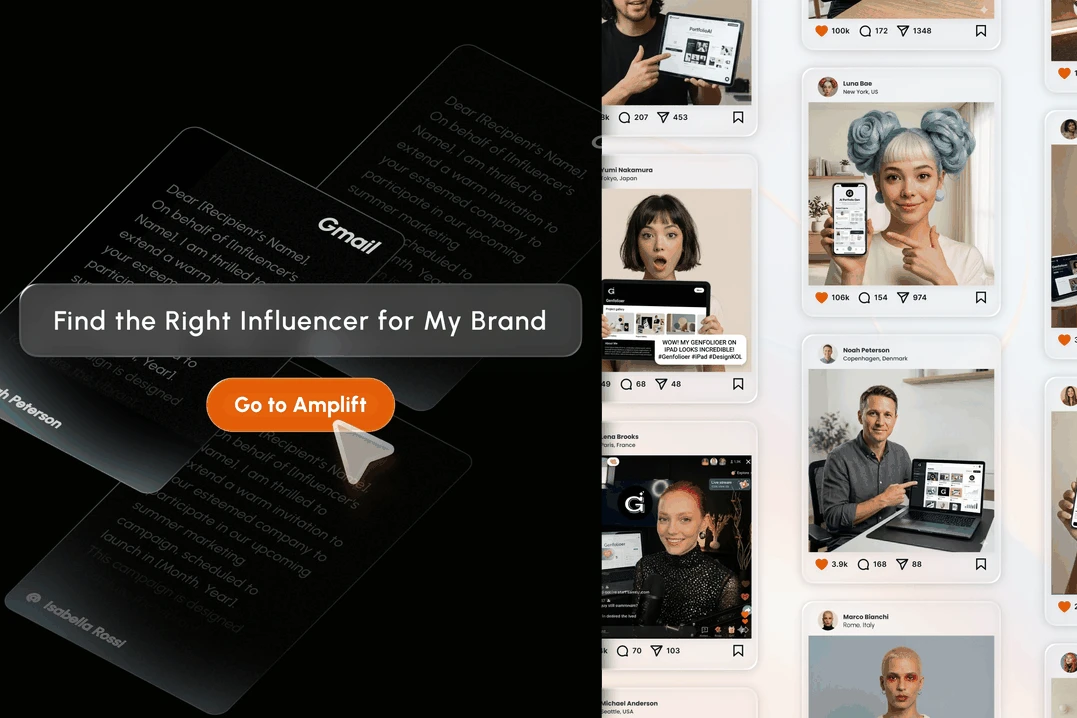
Built a web-based marketing agent from the ground up through two name changes and two rebrands, serving as its sole designer and de facto product design lead.
Four habits behind my work. Open a behind-the-scenes panel to explore prompts, handoffs, and before-and-after comparisons from the process.
In 2025–2026, I rebuilt how I work. AI evolved from a tool for producing visuals into a direct path from design to production code. I still define the behavior, write the specifications, and review the result frame by frame. These are the four practices that made that shift possible.
The interface follows the product's logic. Before opening a design file, I work out how the product should communicate and what should stay fixed or change.
Looking good is a starting point. Reproducibility is the goal. I translate visual decisions into parameters, tokens, and rules that engineers and models can implement.
My handoff goes beyond mockups. From annotated designs to investigating why a change never appeared, I stay responsible until the implementation is merged.
AI expands what I can do; I still set the direction. I define what belongs in code, what belongs to the model, and how failures are handled. I also verify the result.
In my colleagues' words. Messages from everyday collaboration, with names removed.